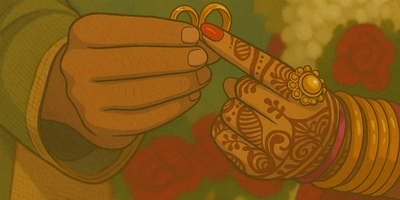
Marital relationship – a delicate bond of love and understanding
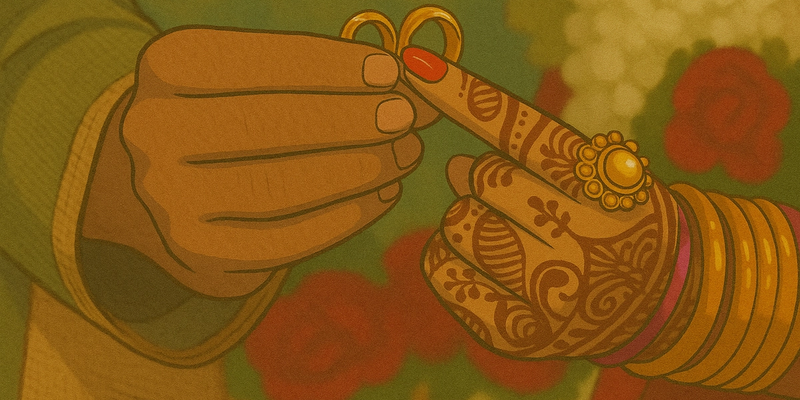
The Distinctive Nature of the Marital Bond:
The spousal relationship occupies a unique space in human connection. It differs fundamentally from the dynamics observed between parent and child, among siblings, or even within close friendships. It represents a singular, often delicate, and profoundly intimate bond forged not through consanguinity (blood ties), but through a volitional commitment of the heart and mind.
Resilience in Familial Conflicts:
Discord and resentment can arise within any relationship, including familial ones. However, within sibling or parent-child dynamics, there's often an inherent resilience. Negative feelings stemming from disagreements tend to dissipate over time, frequently leaving little lasting emotional residue. This tendency can be attributed, in part, to the foundational security and assumed permanence of blood relationships; the underlying connection often naturally pulls individuals back towards reconciliation.
The Fragility of the Marital Connection Regarding Conflict:
In contrast, the marital relationship can exhibit greater vulnerability to unresolved conflict. When bitterness or resentment emerges between spouses and is allowed to fester or escalate, its impact can be more profound and lasting. Even when explicit forgiveness is offered, an emotional scar or lingering negativity may persist beneath the surface. Over time, these unresolved hurts can erode the foundation of trust and intimacy, subtly undermining the relationship's core.
The Cumulative Effect of Minor Grievances:
The erosion of a marital bond often begins subtly. When partners habitually catalogue minor transgressions, nurse grudges, or fail to address small hurts effectively, these seemingly insignificant issues accumulate emotional weight. Eventually, this accumulation can erect emotional barriers between partners. Communication may become strained or superficial, replaced by recurrent complaints and defensiveness, leading to a palpable decline in affection and connection. This phenomenon aligns with the concept of "negative sentiment override," where a backlog of negativity colors all interactions.
The Imperative of Active Relationship Maintenance:
Preserving the vitality of a marriage requires conscious effort. Cultivating the practice of timely forgiveness and letting go of grievances is crucial. This involves developing emotional regulation skills – resisting impulsive anger, avoiding hasty accusations, and refraining from immediate defensiveness. Instead, partners should strive for patience, active listening, seeking understanding (tolerance), and extending grace (forgiveness). Holding onto negativity actively diminishes the positive emotional climate, potentially extinguishing the warmth and affection essential to the relationship.
Illustrating the Difference: Familial vs. Spousal Conflict Recall:
Consider the contrast in how conflicts are often processed: One might recall countless childhood arguments with siblings, yet retain little specific emotional charge or lasting resentment from them. The memories may exist, but the associated pain has typically faded. However, even a smaller number of significant conflicts with a spouse can remain vivid, easily recalled, and capable of reopening emotional wounds years later. This difference underscores the unique emotional landscape of the marital bond.
Understanding the Underlying Dynamics:
Why this disparity? The marital relationship is fundamentally volitional – it is chosen, not biologically predetermined. Its foundation rests not on shared lineage but on shared emotions, experiences, and a continuous, mutual commitment. It is sustained by the "threads of love," trust, and ongoing effort. Consequently, it demands a higher degree of conscious cultivation, care, and emotional vigilance compared to relationships often taken as given due to blood ties.
Conclusion:
Marital relationships rarely fracture instantaneously; more often, they succumb to gradual erosion. This erosion is fueled by the accumulation of unresolved resentments and the replacement of flexibility and forgiveness with rigidity and stubbornness. The emotional connection begins to fray and dissolve long before any formal separation might occur.
Key Takeaway for Relationship Preservation:
To nurture and sustain a marital bond, prioritize: acceptance and tolerance of imperfections, the active practice of letting go (forgiveness and releasing grievances), demonstrating consistent kindness and gentleness, cultivating trust while actively resisting unfounded suspicion, and maintaining emotional integrity and goodwill within the partnership. This conscious effort is the cornerstone of a resilient and loving marriage.
Note:
This article is a translated and AI enhanced version of Urdu Article by Maulana Wafa Haider Khan on this Website : ازدواجی رشتہ – محبت و فہم کا نازک بندھن




Maulana Wafa Haider Khan
Maulana Wafa Haider khan is a Teacher, Educator and a Scholar of Arabic Linguistics. He has many years of experience in teaching students of Deen and Fiqha. He is currently a Mudarris (Teaching Staff) at Madrasa e Hadi ATFS, Navi Mumbai.