
All Articles

Discover our complete collection of Islamic educational content, scholarly articles, and spiritual guidance

Featured image for The Life and Patience of Imam Musa al-Kazim (ع)سیرت معصومین

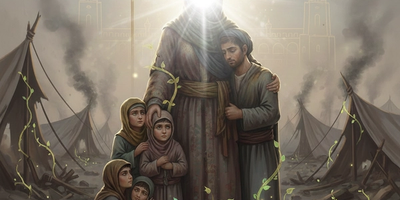
The Life and Patience of Imam Musa al-Kazim (ع)

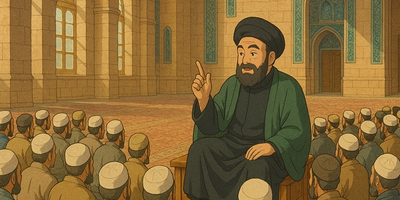
Imam Musa al-Kazim (ع), the seventh Imam of Ahl al-Bayt, was renowned for his patience, self-control, and deep devotion to Allah. Living under Abbasid oppression, he avoided political rebellion and focused on spiritual guidance, education, and helping the poor. Despite years of imprisonment, he remained steadfast in worship and transformed even his jailers through his character. He was martyred in 183 AH, leaving a lasting legacy of faith, patience, and moral strength.

سید جنان اصغر
Featured image for Imam Ja‘far al-Sadiq (ع): Knowledge, Character, and Enduring Influenceمسائل دین

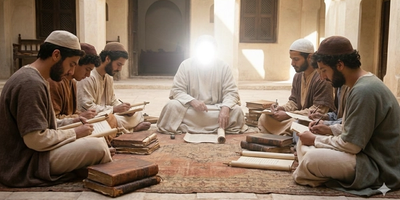
Imam Ja‘far al-Sadiq (ع): Knowledge, Character, and Enduring Influence

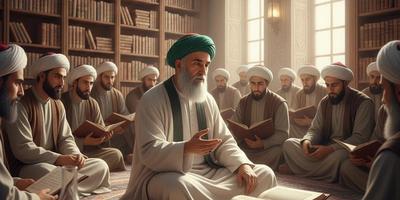
Imam Ja‘far al-Sadiq (ع) was the sixth Imam of Ahl al-Bayt and one of the greatest scholars in Islamic history. He lived during major political change and focused on preserving authentic Islamic knowledge rather than seeking power. Through his vast teaching circle, he laid the foundation of Ja‘fari fiqh and influenced many renowned scholars. Known for his truthfulness, ethics, and generosity, he emphasized that faith must be reflected in character. He was martyred in 148 AH and is buried in Jannat al-Baqi‘, leaving a lasting legacy of knowledge and guidance.

سید جنان اصغر
Featured image for A Concise Summary of the Sermon of Fadakاحادیث

A Concise Summary of the Sermon of Fadak

Lady Fatima al-Zahra (s.a.) began her sermon by praising Allah and acknowledging His power in guiding humanity from ignorance to true belief. She expressed gratitude for the countless divine blessings distributed with perfect wisdom. She emphasized that knowing God begins with knowing oneself, as He is recognized through His signs. Finally, she highlighted the unique rank of Ahl al-Bayt, who knew God even when nothing existed except Him, relying solely on Him for their recognition.

ذاکرہ کاظمہ عباس
Featured image for A Concise Summary of the Sermon of Fadakاحادیث

A Concise Summary of the Sermon of Fadak

Lady Fatima al-Zahra (s.a.) began her sermon by praising Allah and acknowledging His power in guiding humanity from ignorance to true belief. She expressed gratitude for the countless divine blessings distributed with perfect wisdom. She emphasized that knowing God begins with knowing oneself, as He is recognized through His signs. Finally, she highlighted the unique rank of Ahl al-Bayt, who knew God even when nothing existed except Him, relying solely on Him for their recognition.

ذاکرہ کاظمہ عباس
Featured image for The Extraordinary Role of the Daughter of the Messenger (S.A)سیرت معصومین

The Extraordinary Role of the Daughter of the Messenger (S.A)

The blessed life of Lady Fatima al-Zahra (peace be upon her) proves that an ideal Islamic personality’s leadership is not confined to battlefields or seats of governance. It can also reshape history through intellectual reasoning, economic justice, and political resistance. Her character remains an eternal model for staying firm upon principles and standing for truth across all ages.

ذاکرہ کاظمہ عباس
Featured image for 🌸 The Divine Virtues of Lady Fatimah al-Zahra (peace be upon her)سیرت معصومین

🌸 The Divine Virtues of Lady Fatimah al-Zahra (peace be upon her)

Lady Fatimah al-Zahra (peace be upon her), the beloved daughter of the Prophet Muhammad (peace be upon him and his progeny), was created from the Divine Light long before the creation of Adam. Her purity, strength, and virtues reflect those of the Prophet himself, except for prophethood. Allah chose her as the sacred vessel to carry and protect the light of Wilayah (Divine Guardianship). Through her immense sacrifice, she preserved Prophethood, Imamate, and the Oneness of Allah (Tawheed), ensuring that the true message of Islam remained alive for all generations.

ذاکرہ کاظمہ عباس
Featured image for Virtues of Hazrate Fatema Zehra PBUH: As per the Companions of the Prophet SAWWسیرت معصومین

Virtues of Hazrate Fatema Zehra PBUH: As per the Companions of the Prophet SAWW

This article mentions a few narrations from the popular book (Fatima (PBUH) the Great Daughter of the Prophet Muhammad SAWW) written by a well known scholar of our time known as "Shikh ul Islam" Dr. Tahir ul Qadri. This article only includes just a few of the narrations for the sole purpose of remembering the greatest of all the women and a role model for the Muslim ummah.

سید منہال
Featured image for ⚖️ The Story of Imam Ali (عليه السلام) and the Lost Armorشخصیت سازی

⚖️ The Story of Imam Ali (عليه السلام) and the Lost Armor

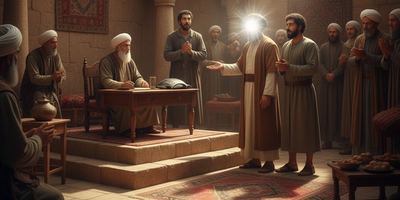
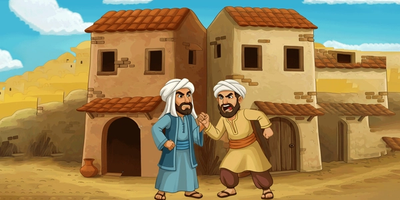
Imam Ali (عليه السلام) once found his lost armor with a Christian man and took the matter to court. Despite being the Caliph, he stood equally before the judge and accepted the verdict against him. Impressed by the Imam’s justice and humility, the man admitted the truth and embraced Islam. This story teaches that true leadership lies in fairness, honesty, and equality before the law.

سید جنان اصغر
Featured image for The Dowry System in Islam: A Call for Simplicity and Sincerity in Marriageکمیونٹی اور سوسائٹی

The Dowry System in Islam: A Call for Simplicity and Sincerity in Marriage

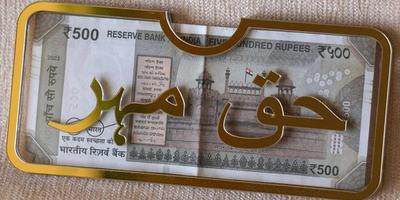
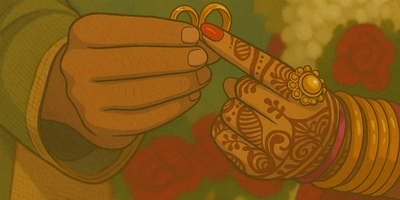
The issue of dowry has become a serious problem in today’s society, even though it is neither obligatory nor Sunnah in Islam. The dowry of Lady Fatima Zahra (peace be upon her) was simple and limited to basic necessities, teaching the value of modesty. Islam discourages wastefulness and showiness, as mentioned in the Qur’an. Imam Jafar al-Sadiq (peace be upon him) emphasized that piety, not wealth, should be the basis of marriage. Giving dowry with sincerity is permissible only if it causes no burden or display. The true spirit of marriage in Islam lies in simplicity, purity, and mutual respect.

ذاکرہ کاظمہ عباس
Featured image for Imam Jafar-e-Sadiq (peace be upon him): The basis of actions is intention and piety towards Allahسیرت معصومین

Imam Jafar-e-Sadiq (peace be upon him): The basis of actions is intention and piety towards Allah

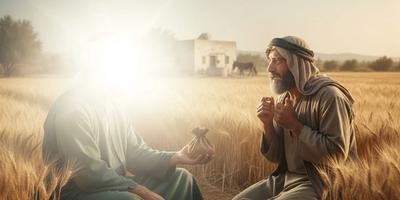
Imam Jafar Sadiq (a.s.) heard about a man who was a follower of Allah and a man of great virtue. When the Imam (a.s.) saw him, he realized that he stole and gave things as charity. When the Imam (a.s.) asked, he argued that the reward for a bad deed is one, and the reward for a good deed is tenfold. The Imam (a.s.) said: “Allah accepts only the deeds of the pious.” Both theft and giving charity without permission are sins. Goodness is that which is accompanied by piety and righteous intentions. This incident teaches that the real value of an action lies in the intention and piety, not in the outward worship. Reference: Pand Tarikh Vol. 4, p. 141; Ganjinah Maarif Vol. 1, p. 310

سید منہال
Featured image for Imam Muhammad Baqir (peace be upon him): The Shining Star of Knowledge and Wisdomسیرت معصومین

Imam Muhammad Baqir (peace be upon him): The Shining Star of Knowledge and Wisdom

Imam Muhammad Baqir (a.s.) was a great Islamic scholar and the fifth Imam of the Ahl al-Bayt, renowned for reviving the true teachings of Islam. He excelled in Qur’anic commentary, jurisprudence, hadith, and theological debates, offering clear rational proofs for core beliefs. Through hundreds of students, including Imam Ja‘far al-Sadiq, his vast knowledge spread across generations. For his unmatched scholarship, he is honored as “Baqir al-Uloom,” the deep ocean of knowledge.

ذاکرہ نادرہ زیدی

Featured image for The Importance of Marja‘iyyah in the End Times and the Conspiracies Against Itشخصیت سازی

The Importance of Marja‘iyyah in the End Times and the Conspiracies Against It

This passage highlights Imam Jafar Sadiq’s (AS) teaching that the loss of scholars means the loss of true knowledge. It stresses that today’s opposition to Marja‘yah by some youth is a grave misfortune, as the survival and dignity of Shia Islam have always depended on the sacrifices and leadership of scholars. In the period of occultation, only the Marja‘s are entrusted with protecting the divine religion and guiding the followers of the Imam (AS) on the true path.

ذاکرہ کاظمہ عباس
Featured image for True Awaiting Of The Imam (a.s.): Faith, Knowledge, and Justiceشخصیت سازی

True Awaiting Of The Imam (a.s.): Faith, Knowledge, and Justice

This passage highlights that true loyalty to the Imam (a.s.) is tested when justice is established, as many so-called lovers may oppose him if decisions go against their desires. The example of Kufa shows how people invited Imam Hussain (a.s.) but later betrayed him. Imam Ja’far Sadiq (a.s.) warned that the first opposition to the awaited Imam (a.s.) will come from his own followers. Hence, believers must strengthen religious knowledge and purify actions so they do not become enemies of their awaited savior.

ذاکرہ کاظمہ عباس
Featured image for Oh Ali! If only I had no fear that...احادیث

Oh Ali! If only I had no fear that...

This hadith shows the extraordinary rank of Imam Ali (عليه السلام), such that people would have sought blessings even from the dust under his feet. The Prophet ﷺ, however, withheld openly declaring this level of praise, fearing people might exaggerate and elevate Ali as Christians did with Jesus (عليه السلام). It reflects both Ali’s unmatched dignity and the Prophet’s wisdom in protecting the Ummah from deviation.

مولانا وفا حیدر خان
Featured image for The reason for the name of Arafah(Day of Arafat)تاریخ

The reason for the name of Arafah(Day of Arafat)

The Day of Arafah, observed on 9th Dhul-Hijjah, is central to Hajj and symbolizes recognition, learning, and divine connection. Its name has various meanings, including knowing Allah, meeting fellow pilgrims, and divine praise by angels. Imam Hussain (AS) offered the profound Supplication of Arafah, filled with gratitude, humility, and spiritual insight. This day teaches us to seek closeness to Allah through worship, reflection, and sincere prayer.

مولانا وفا حیدر خان
Featured image for The weight of the dowry is not measured in gold, but in intentionکمیونٹی اور سوسائٹی

The weight of the dowry is not measured in gold, but in intention

At a nikah ceremony in Quetta, the father-in-law set a modest dowry despite family pressure, prioritizing the groom's financial reality. He chose peace and stability for his daughter over show and tradition. Fifteen years later, the marriage thrives with love, respect, and understanding. This story shows that sincere intentions matter more than wealth in building lasting relationships.

مولانا وفا حیدر خان
Featured image for Part 2: The Importance of Ghadir in the Light of the Holy Quranقراٰن مجید

Part 2: The Importance of Ghadir in the Light of the Holy Quran

The passage highlights the significance of the event of Ghadir Khumm, where the Prophet Muhammad (PBUH) declared Imam Ali (AS) as his successor by divine command. Despite being among fellow Muslims, the Prophet feared rejection, prompting God to assure His protection. The announcement marked the completion of religion as confirmed by the Quran (Surah Ma’idah 5:3). The Wilayah of Ali (AS) is viewed not as a political move, but as a divinely appointed leadership, affirmed by both Quranic verses and authentic Hadiths, even in Sunni sources.

ذاکرہ کاظمہ عباس
Featured image for The importance of Ghadir in the light of the Holy Quranقراٰن مجید

The importance of Ghadir in the light of the Holy Quran

This article discusses the importance of Ghadir Khum in the light of the verse of the Holy Quran, "O Messenger, convey...". It has been stated that in this verse, Allah Almighty, adopting a strict tone, ordered the delivery of a very important message, in which the delay and panic show the Prophet's sense of danger. Allah specifically promised that He would protect His Messenger from the evil of the people, which shows that the message was not ordinary but of extraordinary importance. According to the commentators, this message was the announcement of the wilayah of Hazrat Ali (AS), which was delivered in front of more than 1.2 million Muslims in the incident of Ghadir.

ذاکرہ کاظمہ عباس
Featured image for  Stages of Knowledgeشخصیت سازی

Stages of Knowledge

The journey of ma'rifah (spiritual knowledge) consists of five stages: First, a sense of longing and restlessness arises in the heart, followed by the pursuit of the light of knowledge. Next, the individual makes a personal commitment to embrace the truth, and throughout the day, they engage in self-observation (meditation). Finally, they review their actions at the end of the day to correct any mistakes. These five stages lead a person toward closeness to Allah and the path of true spiritual understanding.

مولانا وفا حیدر خان
Featured image for  A verse of the Quran, a secret and an experienceقراٰن مجید

A verse of the Quran, a secret and an experience

Ustad Fatemi Nia (may Allah have mercy on him) narrates a saint’s deep reflection on a Quranic verse about Satan watching us from where we can't see him. The saint has a spiritual experience where Satan appears and challenges him to a debate. After defeating Satan, he realizes Satan’s true aim was simply to waste his time. This reveals the verse’s deeper meaning — that Satan deceives us through our own strengths, like knowledge or worship, if we lack sincerity and insight.

مولانا وفا حیدر خان
Featured image for Mother's Anger or God's Pleasure?شخصیت سازی

Mother's Anger or God's Pleasure?

This inspiring story highlights how Dehkhuda, out of devotion to his difficult mother, chose a life of sacrifice, remaining unmarried and childless to serve her. Despite facing emotional and physical hardship, he showed unwavering patience. One night, after a painful incident, he dreamt of divine approval and was gifted immense knowledge. He went on to create timeless scholarly works, proving that sincere service and patience never go unrewarded.

مولانا وفا حیدر خان
Featured image for Sharia Dilemma مشکلات زندگی

Sharia Dilemma

This humorous story highlights a newlywed wife who insists on living strictly by Sharia, demanding her rights such as a separate home and exemption from serving in-laws. The husband, overwhelmed, consults a scholar who reminds him that Sharia is about duties and balance—not just rights. When the husband mentions Sharia’s allowance for a second marriage, the wife quickly softens her stance. The message is clear: true Sharia means fairness, responsibility, and harmony in the home.

مولانا وفا حیدر خان
Featured image for The Silent Worker and the Secret of Sustenanceشخصیت سازی

The Silent Worker and the Secret of Sustenance

This is the story of a hardworking laborer who silently fulfills his responsibilities. He never questions when his salary increases or decreases. He believes that sustenance comes from Allah and changes with the coming or going of people. When his son was born, his sustenance increased; when his mother passed away, it decreased. The lesson is that the true secret lies in patience, gratitude, and contentment.

مولانا وفا حیدر خان
Featured image for Correcting the bad neighborکمیونٹی اور سوسائٹی

Correcting the bad neighbor

A man repeatedly complained to the Holy Prophet Muhammad (peace be upon him) about his neighbor who constantly troubled him and his family. The Prophet (PBUH) initially advised him to be patient and avoid confrontation. However, when the harassment continued, the Prophet instructed him to publicly display his household items in the street to highlight his suffering. This action brought the issue to public attention, causing the oppressive neighbor to feel ashamed, seek forgiveness, and promise never to repeat his behavior again

سید منہال
Featured image for Service to the peopleکمیونٹی اور سوسائٹی

Service to the people

Service to people in Islam is highly valued and includes helping others selflessly, not just through wealth but also through kindness and good behavior. The Prophet Muhammad (PBUH) and other Islamic figures emphasized aiding all humans, regardless of faith. Stories like that of the Prophet and Dhul-Qarnayn illustrate the power of compassion and community values. Islam teaches that serving humanity is a form of worship and key to creating an ideal society.

ذاکرہ کاظمہ عباس
Featured image for  Those who shine like the moon of the nightشخصیت سازی

Those who shine like the moon of the night

This narration uses the example of the moon to convey the message that just as the moon hides in the light of day but shines with its light in the darkness, similarly, man should maintain his originality, that is, truth and honesty, instead of merging with the sins and bad tendencies of the world. The example of Imam Hussain (AS) and his companions is given to show that they stood firm against oppression and supported the truth, even if they were alone. The sacrifice of Karbala was called "beauty" because it was a manifestation of Allah's pleasure and truth. At the end, the audience was invited not to blindly follow the world but to live in the light of the Quran and the Ahlul Bayt (AS) so that they can become the light of faith and character in the darkness.

مولانا وفا حیدر خان
Featured image for Corporate Chanakya: Successful Management the Chanakya Wayمتفرقات

Corporate Chanakya: Successful Management the Chanakya Way

Dr. Radhakrishnan Pillai is a leading management guru and also the Director of The Chanakya Institute Of Public Leadership (Cipl). He is the winner of Sardar Patel Award 2009. He is a Business Strategy Consultant for organizations including Tata Group, Air India, JP Morgan, Delloitte, Pfizer, M & M and hundreds of esteemed organizations. He has also authored “Chanakya in You”, “Chanakya's 7 Secrets of Leadership”, “Chanakya and the Art of Getting Rich” and other marvels

سید منہال
Featured image for Bid'at and Povertyشخصیت سازی

Bid'at and Poverty

This is a true story about a father who wanted to rent empty cartons to fake a large dowry for his daughter’s wedding, as he couldn't afford real items. It highlights the cruel social pressure and harmful traditions like dowry display, which shame and burden the poor. Such practices are considered religiously wrong (bid’ah) and socially unjust, increasing poverty and inequality. Standing up against these traditions is a noble act and a step toward social reform. The core message: relationships need love, not show — abandon harmful customs to protect dignity and humanity.

مولانا وفا حیدر خان
Featured image for The Story of the Eagle – Change is Necessary for Lifeشخصیت سازی

The Story of the Eagle – Change is Necessary for Life

This story gives a lesson from the life of an eagle, who, at a certain age, goes through a painful process to give itself a new life. The eagle removes its weak beak, claws, and feathers so it can grow new ones and fly again. This painful process lasts for five months, but after that, the eagle lives for another 30 years with new strength. The message of the story is that for growth and survival, we must leave behind old habits and adopt a new way of thinking. The final message is: change or die — the choice is in your hands.

مولانا وفا حیدر خان
Featured image for  The Marriage of Hur al-Ain and Sheikh Ali; A Strange Miracle of Najaf and Karbalaکمیونٹی اور سوسائٹی

The Marriage of Hur al-Ain and Sheikh Ali; A Strange Miracle of Najaf and Karbala

Sheikh Ali Najaf was a student of religious knowledge who had a deep desire to marry a *houri* (a heavenly maiden). He constantly prayed and sought divine help for this wish. People thought he was crazy, but he remained sincere and committed to his prayer. One night, a woman came to him—she was actually a *houri* sent from paradise. Sheikh Ali married her, and they lived together for seventeen years. In the end, she revealed her true identity and, after Sheikh Ali's death, she returned to paradise.

مولانا وفا حیدر خان
Featured image for  The Marriage of Hur al-Ain and Sheikh Ali; A Strange Miracle of Najaf and Karbalaکمیونٹی اور سوسائٹی

The Marriage of Hur al-Ain and Sheikh Ali; A Strange Miracle of Najaf and Karbala

Sheikh Ali Najaf was a student of religious knowledge who had a deep desire to marry a *houri* (a heavenly maiden). He constantly prayed and sought divine help for this wish. People thought he was crazy, but he remained sincere and committed to his prayer. One night, a woman came to him—she was actually a *houri* sent from paradise. Sheikh Ali married her, and they lived together for seventeen years. In the end, she revealed her true identity and, after Sheikh Ali's death, she returned to paradise.

مولانا وفا حیدر خان
Featured image for Marital relationship – a delicate bond of love and understandingکمیونٹی اور سوسائٹی

Marital relationship – a delicate bond of love and understanding

To nurture and sustain a marital bond, prioritize: acceptance and tolerance of imperfections, the active practice of letting go (forgiveness and releasing grievances), demonstrating consistent kindness and gentleness, cultivating trust while actively resisting unfounded suspicion, and maintaining emotional integrity and goodwill within the partnership. This conscious effort is the cornerstone of a resilient and loving marriage.

مولانا وفا حیدر خان